
 TR
TR EN
EN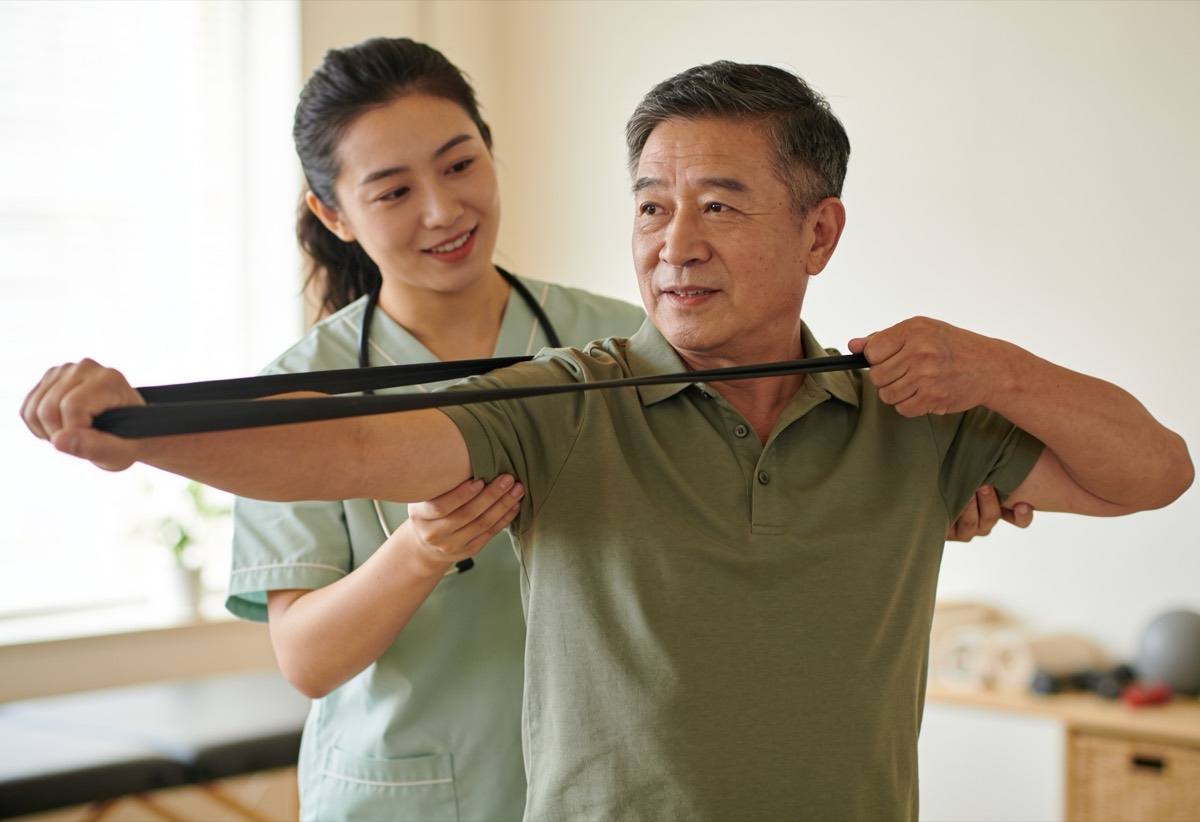
Overview
A heel spur is a painful condition that develops as a result of excessive strain and irritation in the area where the plantar fascia attaches to the heel. The plantar fascia is a strong band that runs along the sole of the foot from the heel bone toward the toes. Over time, a bony projection (spur) may form in this area; however, the actual source of the pain is usually not the projection itself, but the inflammatory strain within the plantar fascia (plantar fasciitis).
For this reason, treatment should focus not only on the bony projection, but essentially on relieving the plantar fascia, which is the true source of the pain.
Causes
- Excessive and repetitive loading — standing for long periods, walking a great deal, or running.
- Excess weight — increases the load on the sole of the foot and strains the fascia.
- Unsuitable footwear — unsupportive, hard-soled, or worn-out shoes.
- Foot structure disorders — flat feet or a high arch disrupt load distribution.
- Calf and Achilles tightness — tightness in the posterior muscle group increases the load on the plantar fascia.
- Activity on hard surfaces — insufficient shock absorption, especially in athletes.
Symptoms
- Stabbing heel pain with the first steps after getting out of bed in the morning
- Pain that appears when standing up after sitting for a long time
- Discomfort that increases with prolonged standing or walking
- Tenderness on the inner and lower part of the heel
- Pain that eases somewhat with movement during the day, then increases again after activity
Diagnosis
Physical examination is essential in diagnosing a heel spur. Our physician assesses the exact location of the pain, which movements aggravate it, the structure of the foot, and the tightness of the calf muscles. X-rays help demonstrate the presence of a bony projection; when needed, the plantar fascia can be examined with ultrasound.
However, imaging alone is not sufficient. Many people with a heel spur visible on X-ray may have no complaints at all; conversely, some people with significant pain may not have a projection. For this reason, imaging findings are always evaluated together with the physical examination.
Treatment
The majority of heel spur complaints can be resolved with conservative methods, without the need for surgery. We regard surgery as a last resort. The main methods are:
- Load adjustment — modifying the activities that trigger the pain.
- Stretching exercises — reducing tightness in the plantar fascia and calf muscles.
- Manual therapy and soft-tissue applications — releasing the plantar fascia and surrounding muscles.
- Physical therapy and orthotic support — reducing inflammation and correcting load distribution.
What We Do
A patient who comes to us with heel pain is first given a detailed physical examination by our physician, who identifies the source of the pain, establishes the diagnosis, and draws up a personalized treatment protocol. We bring surgery to the agenda only in resistant, advanced cases.
During the period when the pain is pronounced, if our physician deems it appropriate, the process is supported with dry needling to the trigger points around the heel and, when necessary, injection applications. Our expert physiotherapists then release the plantar fascia and the tight calf muscles with mobilization, Graston, and clinical massage.
Once relief is achieved, we work the plantar fascia and calf muscles with a fully personalized exercise program, aiming for strengthening that balances the load on the foot. The human body is three-dimensional; we apply personalized rather than standard exercises.
We finish our sessions with kinesiology taping so that the support extends throughout the day. Throughout the process we monitor our client closely and see them off with full satisfaction and pain-free steps. Our principle: there is no disease, there is a patient.