
 TR
TR EN
EN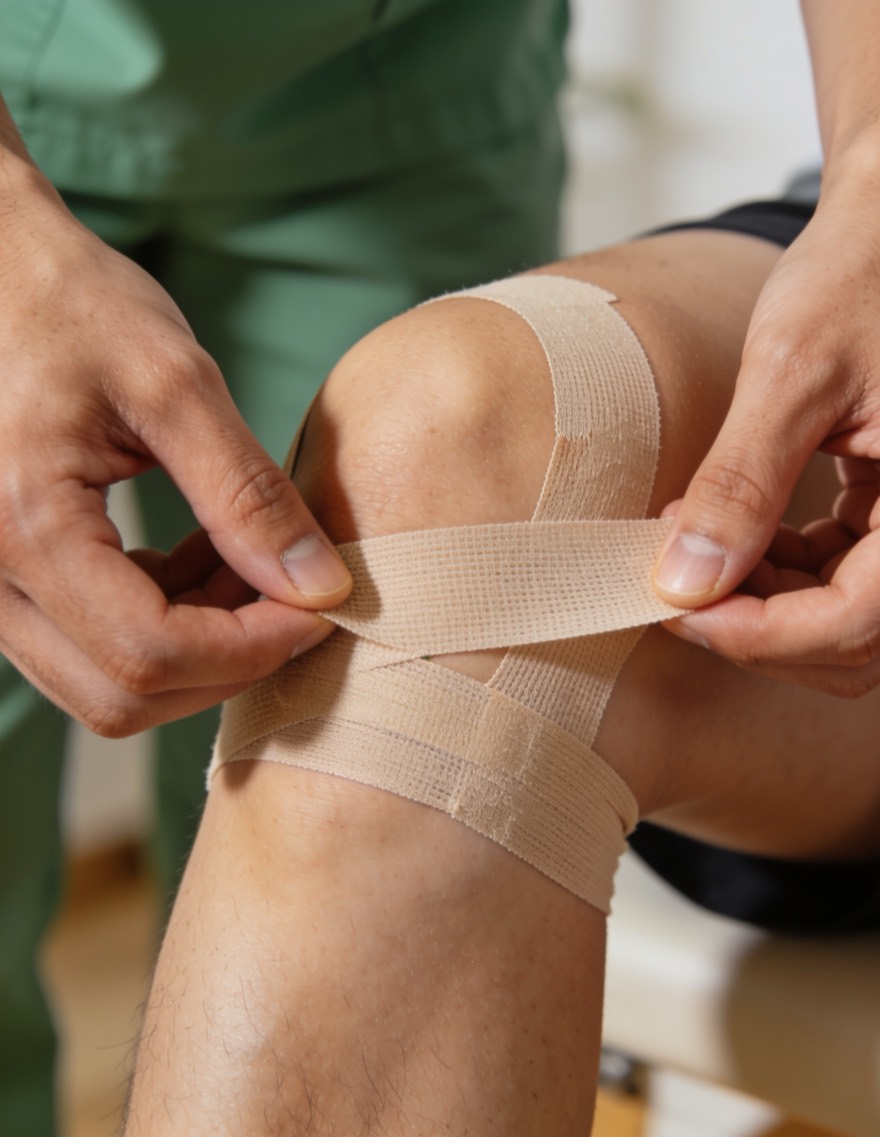
Overview
Sciatica is the name given to the pain that occurs when the sciatic nerve is injured or irritated for any reason. The sciatic nerve is the longest and thickest nerve in the body. It is a nerve that extends from the lower back to the hips and from the hips down the legs, ending just below the knee. After the knee, the nerves branch into different divisions and continue toward the foot and toes. With a sciatic injury, pain arises in the areas the nerve extends through.
Causes
- Sciatica is a common symptom of several different conditions. However, an estimated 90% of cases stem from a lumbar herniated disc. The general causes of sciatica are;
- Herniated disc — sciatica occurs when the herniated disc
- compresses the branches forming the sciatic nerve in the canal through which they pass.
- Lumbar spinal stenosis — narrowing of the spinal canal in the lower back
- Spondylolisthesis — the condition in which one vertebra slips forward or backward over the vertebra beneath it
- Tumors within the spine — these can compress the sciatic nerve root.
- Infections — if they affect the spine, the sciatic nerve roots can be affected
- Traumatic injury — an injury in the lower back at the level of the sciatic nerve root.
- Cauda equina syndrome — a rare but serious condition affecting the nerves in the lower part of the spinal cord.
Risk Factors
- Age — the 30s and 40s are the ages at which sciatica is most frequently encountered.
- Occupation — jobs that require lifting heavy loads for long periods.
- Sedentary lifestyle — people who sit for long periods and are physically inactive are more likely to develop sciatica compared with active people.
Symptoms
The main symptom is a burning-type pain along the area through which the sciatic nerve travels. The sciatic nerve, of which there are two, left and right, is a nerve extending from the lower back to the hips, from the hips to the back of the leg, and down to the feet. Complaints are concentrated in these areas that the sciatic nerve follows. These complaints are;
A burning and pain complaint especially right over the hip
Pain and numbness radiating to the back of the leg
Pain, numbness, and a tingling (pins-and-needles) sensation in the feet and toes
Diagnosis
Diagnosing the underlying cause of sciatica is very important for creating an effective treatment plan and managing sciatic pain. When sciatica is suspected, the following should be done;
Physical examination and medical history — the aim of the physical examination and reviewing the medical history is to determine the pattern and nature of the pain. In the physical examination;
Localized pain in the lower back, hip, thigh, and leg is assessed
The response to leg movements that lengthen and stretch the nerve (straightening the leg)
Responses to certain stimuli, such as lightly pressing on the toes or the calf area, are observed.
Clinical tests are performed. These tests are
Straight leg raise test: This test is performed by having the patient lie on their back and raise one leg at a time, with the other leg bent at the knee or kept straight. Pain encountered while raising the affected leg is generally an indicator of sciatica.
Slump test: This test is performed by having the patient sit upright with their hands behind them. While the patient sits on a stool, the hands are clasped behind. The chin is bent toward the chest and the trunk is bent, then one leg is raised straight at the knee and the ankle is drawn toward the body. If there is pain, the test is positive.
These tests are not on their own a sign of sciatica. These tests can also be positive in any herniated disc situation. For this reason, they should be evaluated together with other diagnostic methods.
With medical imaging methods (MRI, CT), the region where the sciatic nerve is being compressed can be visualized.
Treatment
It is recommended that you treat sciatica as early as possible to prevent the symptoms from progressing. Typically, non-surgical methods are recommended first in the treatment of sciatica. The first-line treatments for sciatica are typically combinations of physical therapy, therapeutic injections, medications, and alternative treatment methods.
In the acute phase, sciatica generally shows improvement with treatment lasting 4-6 weeks. In cases of chronic sciatic pain lasting more than 8 weeks, the treatment period may be prolonged.
The treatment methods for sciatica can be listed as follows.
Physical therapy — includes strengthening, stretching, and aerobic exercises. The aim is to strengthen the lower back, abdominal, and hip muscles, increase the flexibility of affected tense muscles such as the hamstrings, and, with aerobic exercise, promote the body's exchange of fluids and nutrients to activate the healing mechanism.
Medication treatment — used to relieve pain complaints
Chiropractic treatment — the aim is to achieve spinal alignment with manual manipulations. In sciatica cases stemming from a herniated disc or from canal narrowing such as spinal stenosis, complaints are reduced by relieving the pressure on the nerve with manual manipulation.
Dry needling treatment — there are studies showing that dry needling (acupuncture) applications performed at the reference points where pain, numbness, and tingling occur and along the areas the sciatic nerve follows reduce complaints. It is thought that the needling done at trigger points creates a stimulus that increases blood circulation and thereby activates the healing mechanisms.
Strengthening programs — after a solution is found for the underlying cause, a strengthening program is applied to the muscles around the lower back to provide the spine with a strong natural brace against the possibility of recurrence.
Lumbar therapeutic injections — help treat pain stemming from conditions affecting the sciatic nerve.
Epidural steroid injections: steroids injected into the epidural space spread to the nerve endings and other tissues, spread the anti-inflammatory effect along the pain-conducting structures, and reduce pain complaints.
What We Do
First, the accurate identification of the condition causing the sciatic pain is provided by our doctor. After an accurate diagnosis, the correct treatment program is drawn up by our doctor.
First, together with the doctor, we apply dry needling to the tense, painful, and numb reference points. The necessary injection applications are performed if the doctor deems them appropriate. After the necessary relaxation and relief are achieved, we refer the patient to the physiotherapist.
With our physiotherapists, in keeping with our concept, we apply entirely manual methods to the patient.
For relaxation and relief, mobilization, cupping therapy, clinical massage, and so on are applied. After relaxation, chiropractic manual manipulations are applied by our expert physiotherapists and we achieve spinal alignment.
After the patient's spinal alignment is achieved, the pain complaint is thoroughly reduced, and muscle relaxation is achieved, we begin a strengthening program.
With a special exercise method we call APPI, we evaluate the body three-dimensionally and combine breathing exercises with strengthening exercises. In this way, we achieve quality strengthening by ensuring correct body posture.
At the end of the sessions, we apply taping to the tense muscles and the lower back with athletic tape. We aim to relax the tense muscles and support the lower back muscle group.
When deemed necessary, we perform ozone therapy together with our doctor. We aim to activate the body's own healing mechanisms by strengthening its immune system.
Through a holistic approach as described above, we aim for you to leave with full satisfaction.