
 TR
TR EN
EN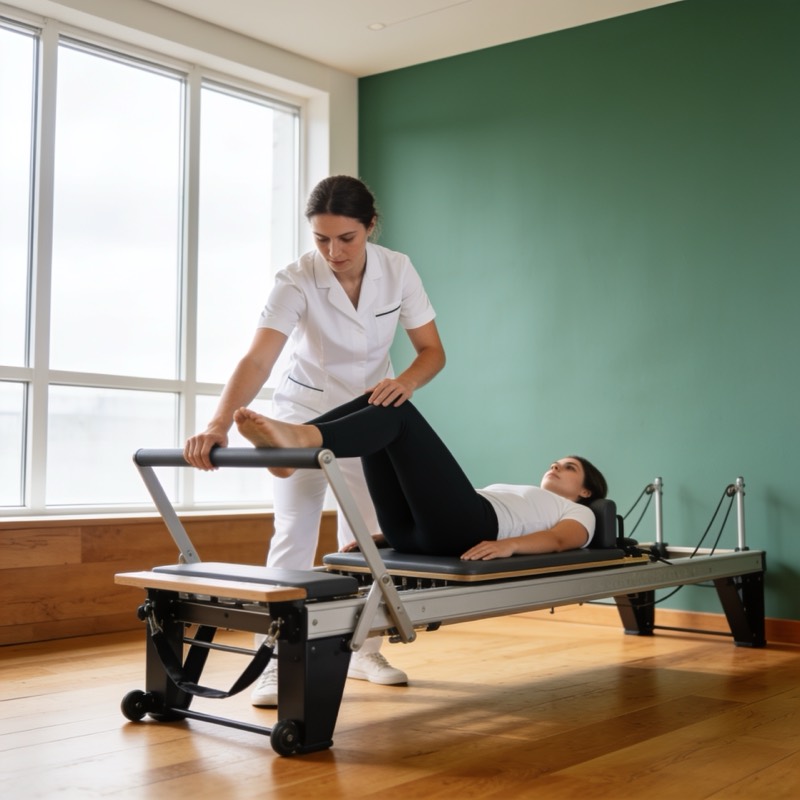
Overview
Incontinence, commonly known as urinary leakage, is the involuntary loss of urine control. The filling and emptying of the bladder are enabled by the coordinated work of the pelvic floor muscles together with the muscles and nerves around the bladder. When this coordination is disrupted, difficulty holding urine occurs. Although quite common in the population, it is a health problem that many people are unable to talk about due to embarrassment.
Yet in many cases incontinence is a condition that can be managed without surgery, with a correct assessment and a personalized program.
Causes
- Childbirth — especially difficult or multiple births can weaken the pelvic floor muscles
- Aging — a decline in muscle strength and tissue support with age
- Menopause — hormonal changes affecting tissues and muscles
- Increased intra-abdominal pressure — chronic cough, constipation and excess weight
- Pelvic floor muscle weakness — the most fundamental factor; the supporting muscles losing their strength
- Certain neurological conditions and previous pelvic surgeries
Symptoms
- Stress type — leakage during coughing, sneezing, laughing or lifting
- Urge type — being unable to reach the toilet in time due to a sudden, intense urge to urinate
- The need to go to the toilet frequently throughout the day
- Waking from sleep at night to urinate
- Restriction of social life due to fear of leakage
Diagnosis
The most important step in diagnosis is taking the person's detailed history and a privacy-respecting assessment. It is determined which type the complaint is (stress, urge or mixed type), because the treatment approach is shaped accordingly. When deemed necessary, the relevant physician may request additional tests. We know that general exercises applied without a correct diagnosis will not provide sufficient benefit; for this reason, we give special importance to the assessment stage.
Treatment
In the treatment of incontinence, the first step is, in many cases, non-surgical methods. Correctly engaging the pelvic floor muscles is one of the most effective approaches in this area. Treatment options may include the following:
- Pelvic floor rehabilitation — personalized exercises that correctly recognize and strengthen the muscles
- Breathing and trunk stabilization work — holistic exercises that support the pelvic floor
- Bladder training and lifestyle adjustments — toilet habits and weight management
- Medical support as deemed appropriate by the relevant physician
Surgery is a last resort that comes up only in advanced cases that do not benefit from conservative methods.
What We Do
We handle this sensitive topic with complete privacy, understanding and professionalism. First, our physician and physiotherapist assess you in an environment where you feel comfortable and identify the type and source of the complaint. In this way, we direct the treatment according to your true needs.
Pelvic floor rehabilitation is at the center of the program. In the exercises, we base our approach on the APPI method, combining breathing control with pelvic floor and trunk strengthening to prepare a fully personalized, three-dimensional plan. Because there is no disease, there is a patient; each person's story is different. Throughout the process, we keep you informed, progress step by step, and support you in permanently regaining your quality of life.