
 TR
TR EN
EN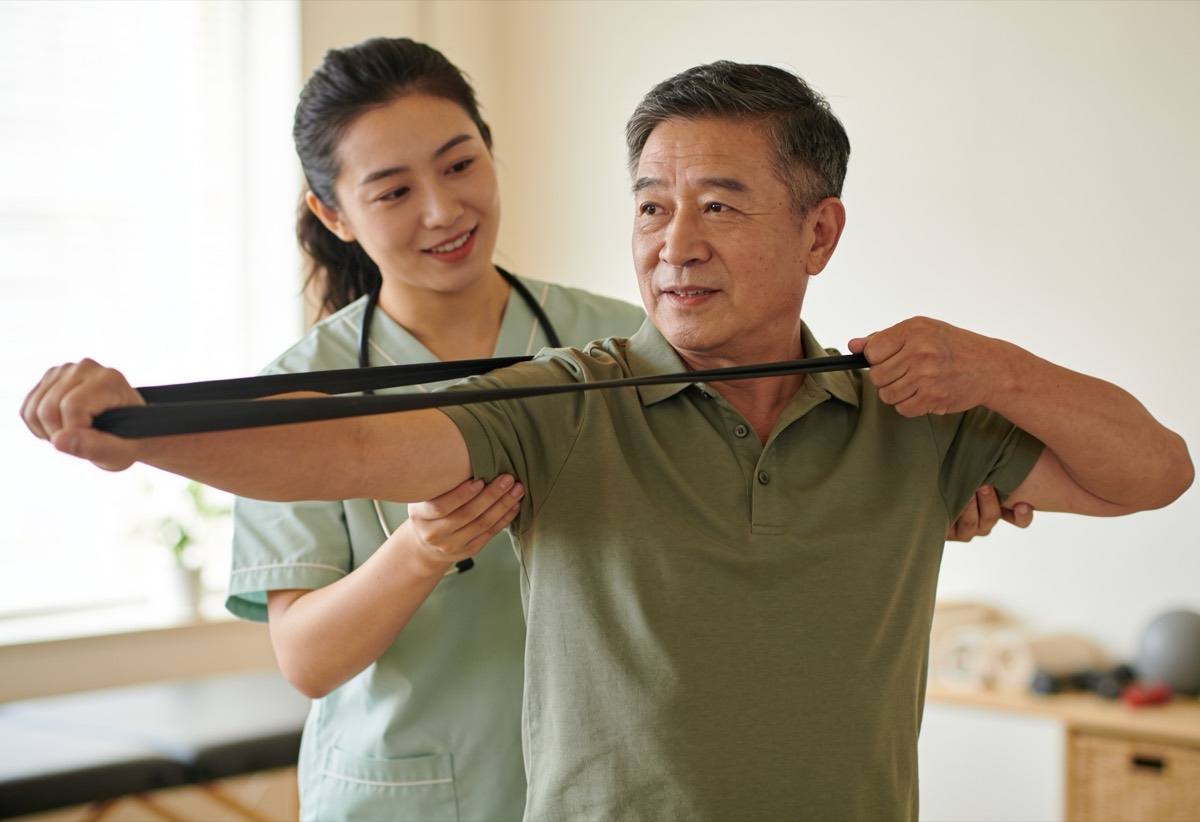
Overview
Hand rehabilitation is a specialized field of physiotherapy aimed at restoring lost movement, grip strength, and fine hand skills during the period following an injury, disease, or surgery affecting the hand, wrist, and fingers.
The hand is an extremely delicate structure in which numerous small bones, joints, tendons, and nerves work together in harmony. For this reason, even the slightest restriction makes daily tasks such as dressing, writing, and buttoning difficult. Hand rehabilitation requires a careful and personalized approach that respects this delicate structure.
Causes
The main conditions requiring hand rehabilitation:
- Fractures and dislocations — the period following wrist, hand, and finger fractures.
- Tendon injuries — tendon damage due to cuts or strain, and their surgical repair.
- Nerve compression — nerve pressure at the wrist level, such as carpal tunnel syndrome.
- Tendinitis and tenosynovitis — tendon inflammation due to overuse, such as De Quervain's.
- Postoperative period — recovering function following hand and wrist surgeries.
- Rheumatic and degenerative diseases — arthritis and osteoarthritis affecting the finger joints.
Symptoms
Signs that may require hand rehabilitation:
- Pain in the hand and wrist that increases with movement
- Restriction and stiffness in fully opening and closing the fingers
- A marked decrease in grip strength, being unable to hold objects
- Numbness, tingling, and loss of sensation in the fingers
- Swelling, stiffness, and clumsiness in tasks requiring fine hand skills
- Avoidance of using the wrist and hand in daily life
Diagnosis
Our physician first takes a detailed history and performs a thorough physical examination. The range of motion of the hand and fingers, grip strength, sensation, and swelling are carefully assessed. Because of the complex structure of the hand, this examination is of great importance.
X-ray shows the bone structure, while MRI shows the tendons and soft tissues. When necessary, nerve conduction tests (EMG) reveal whether there is nerve compression. However, we always remind you: imaging alone is not sufficient; the essential thing is the physical examination. We plan treatment according to the patient's functional needs, not the image.
Treatment
In hand rehabilitation, our priority is non-surgical methods. The core components of treatment are:
- Range-of-motion exercises — gradual stretching work that relieves joint stiffness.
- Strengthening exercises — special programs that increase grip and finger strength.
- Manual therapy — mobilization techniques for the joints and soft tissues.
- Edema and pain control — hot-cold applications and, when necessary, supportive taping.
What We Do
First, our physician assesses the condition with a detailed examination and draws up a personalized treatment protocol. When deemed necessary, dry needling is applied to painful, tight points.
Our expert physiotherapists gently release tight tissues with clinical massage and mobilization techniques, gradually relieving joint stiffness. Respecting the delicate structure of the hand, we apply every movement in a controlled and safe manner. Once relief is achieved, we move on to a fully personalized exercise program to restore grip strength and fine dexterity.
When necessary, we apply kinesiology taping to support the hand and wrist so that treatment continues outside the session. At the end of the process we see our client off with satisfaction and continue to follow up on their recovery remotely.