
 TR
TR EN
EN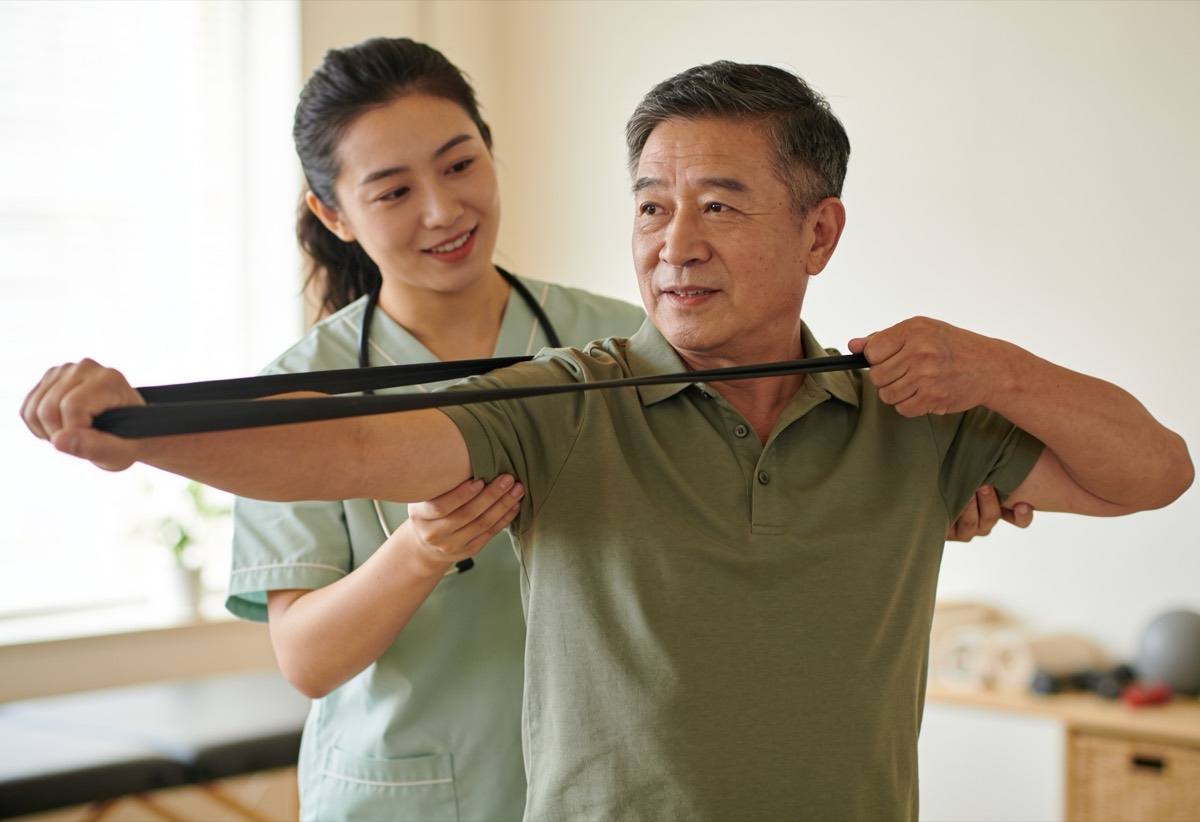
Overview
Knee osteoarthritis, known in medicine as gonarthrosis, is a degenerative joint disease that arises from the gradual wear and thinning of the cartilage covering the bone surfaces in the knee joint. The cartilage acts as a slippery cushion that allows the bones in the joint to glide without friction.
As this cartilage wears away, the bone surfaces come into greater contact with each other; this leads to pain, stiffness, and, over time, restricted movement. Although gonarthrosis is a progressive condition, with correct treatment the complaints can be largely brought under control and the life of the joint can be extended. We regard surgery as a last resort and first apply conservative methods meticulously.
Causes
The main factors that create the ground for knee osteoarthritis:
- Age — the natural wear of cartilage as age advances.
- Excess weight — the extra load that body weight places on the knee joint.
- Excessive and strenuous use — occupations or sports that place great strain on the knee.
- Previous injuries — old meniscus, ligament, or fracture injuries.
- Muscle weakness — weakness of the muscles, especially the front thigh group, and insufficient support of the knee.
- Knee axis disorders — structural alignment problems such as bow legs.
Symptoms
Common symptoms of knee osteoarthritis:
- Knee pain that increases when starting to move and when bearing weight
- Stiffness felt especially in the mornings or after sitting for a long time
- Pain that becomes pronounced when going up and down stairs and squatting
- Sounds, friction, and a catching sensation during knee movements
- Occasional swelling in the knee
- Reduced range of motion and weakness in the thigh muscles
Diagnosis
Our physician first takes a detailed history and performs a thorough physical examination; the knee's range of motion, tenderness, swelling, sounds, and muscle strength are assessed. It is determined whether the pain truly originates from the knee or is a complaint referred from the hip or low back.
X-ray shows narrowing of the joint space and bony changes; when necessary, MRI provides information about the cartilage and soft tissues. However, we always emphasize this: imaging alone is not sufficient; the essential thing is the physical examination. The degree of osteoarthritis on an image does not always match the patient's pain; for this reason, we plan treatment according to the person's complaint, not the image.
Treatment
In knee osteoarthritis, our priority is non-surgical methods; in many cases, complaints can be markedly reduced with these methods. The main approaches:
- Muscle strengthening — supporting the knee by strengthening the muscles, especially the front thigh group.
- Range-of-motion exercises — stretching work that reduces joint stiffness.
- Manual therapy — joint mobilization and soft-tissue techniques.
- Physical therapy agents — hot-cold applications to reduce pain and swelling.
What We Do
First, our physician determines the degree of osteoarthritis and the source of the complaint with a detailed examination and draws up a personalized treatment protocol. When deemed necessary, dry needling is applied to painful and tight trigger points and, in suitable cases, an injection; where appropriate, we support the joint and healing with ozone therapy.
Our expert physiotherapists release the tight muscles around the knee with clinical massage, cupping therapy, and mobilization techniques. If there is pain and swelling, we aim to reduce these with applications that support circulation. Once relief is achieved, we move on to the decisive phase, strengthening.
By strengthening the thigh muscles that carry the knee with fully personalized and three-dimensional exercises, we aim to reduce the load on the joint and provide lasting relief. When necessary, we finish sessions with kinesiology taping so that support for the knee extends throughout the day. At the end of the process we see our client off with satisfaction and continue to follow up remotely.