
 TR
TR EN
EN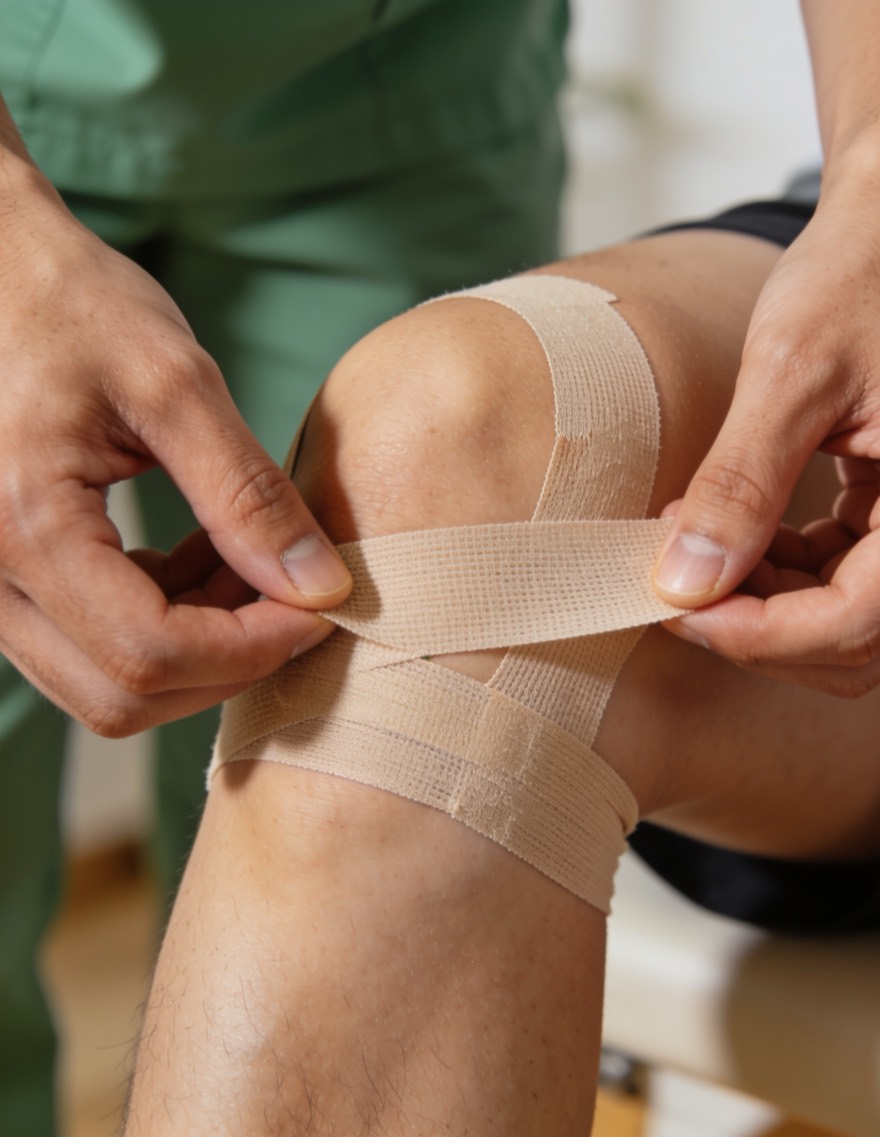
Overview
Upper back pain is a common complaint that can arise from the spine (the thoracic vertebrae), muscles, ligaments and nerve structures in the upper back region. Because the upper back is supported by the ribs, it is less mobile than the lower back and neck; for this reason a significant proportion of upper back pain is muscular in origin and closely related to poor posture.
Working at a desk for long periods, sitting bent forward and a sedentary lifestyle lead to fatigue and tension in the muscles between the shoulder blades. This shows itself as a dull, tiring pain in the upper back region.
Causes
- Poor posture — hunching and sitting bent forward constantly strain the back muscles.
- Muscle tension and weakness — fatigue and weakening of the muscles between the shoulder blades.
- Long-term desk work — staying in the wrong position and remaining sedentary.
- Stress — causes the shoulder and back muscles to remain constantly contracted.
- Heavy carrying — carrying loads especially one-sidedly and in the wrong position.
- Spine-related problems — disc problems and degeneration can also cause upper back pain.
Symptoms
- Pain between the shoulder blades and in the middle of the back
- A sensation of stiffness, tension and fatigue in the upper back
- Complaints that increase at the end of the day or after prolonged sitting
- Difficulty taking a deep breath and turning the trunk
- Pain radiating to the neck and shoulder region
- Sometimes pain radiating along the ribs
Diagnosis
Physical examination is essential in diagnosing upper back pain. Our physician takes the patient's history and assesses their posture, muscle tension, restriction of movement and the location of the pain. When deemed necessary, imaging methods such as X-ray and MRI are used.
Because most upper back pain is muscular and postural in origin, imaging findings alone are often not sufficient. We always evaluate imaging results together with the physical examination and identify the true source of the pain within this whole picture.
Treatment
The great majority of upper back pain cases can be resolved with conservative methods, without the need for surgery. We regard surgery as a last resort. The main methods are as follows:
- Physical therapy — pain-reducing agents and appropriate exercises.
- Manual therapy and mobilization — relaxing the tense back muscles.
- Dry needling — relieving painful trigger points.
- Posture training and personalized exercise — strengthening the back and trunk muscles.
What We Do
When a client comes to us with upper back pain, our doctor first performs a detailed examination, assesses their posture and muscular balance, and draws up the treatment protocol. Because we regard surgery as a last resort, we adopt a holistic and personalized approach.
In cases where it is needed, our doctor applies dry needling to tense and painful trigger points. We then refer our client to our specialist physiotherapists.
Our physiotherapists relax the tense muscles between the shoulder blades with mobilization, cupping therapy, clinical massage and Graston; in suitable cases they support spinal alignment with chiropractic application. Once relief is achieved, we apply fully personalized, three-dimensional exercise programs to strengthen the weak back and trunk muscles that are the real problem. In upper back pain, establishing correct posture is the most important part of treatment; for this reason we also teach our client correct posture habits they can apply in daily life.
We finish the sessions with kinesiology taping so that the effect of the treatment is carried throughout the day. At the end of the process we see our client off with satisfaction and continue with remote follow-up. Our principle is clear: we treat the person, not just the condition.