
 TR
TR EN
EN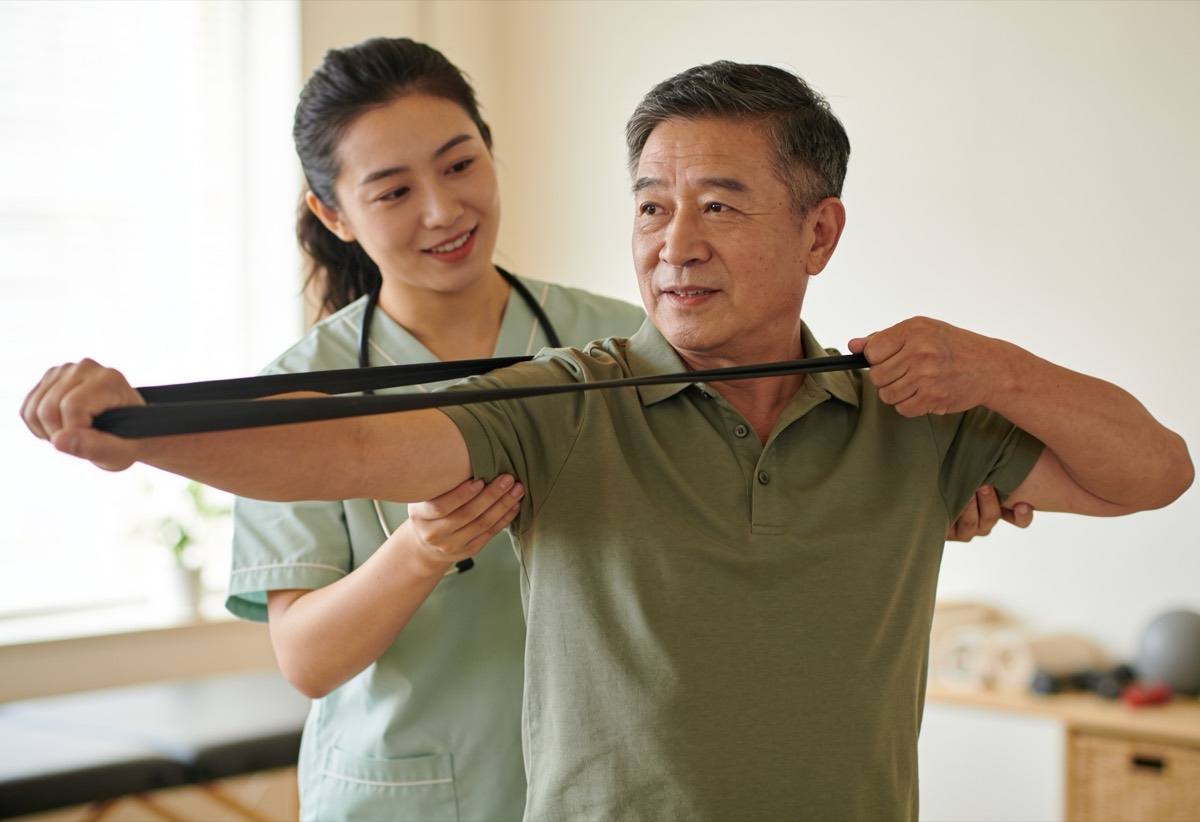
Overview
At the center of our knee joint there are two strong ligaments that connect the thigh bone to the shin bone and run in a crossed arrangement: the anterior cruciate ligament (ACL) and the posterior cruciate ligament (PCL). By controlling the forward-backward movement and the rotation of the knee, these ligaments provide the stability of the joint.
A cruciate ligament injury is the partial or complete damage of these ligaments as a result of a sudden strain, twist or impact. Anterior cruciate ligament injuries in particular are a common occurrence in athletes.
Causes
- Sudden change of direction — a sudden twist of the knee while the foot is fixed is the most common cause in sports such as football and basketball.
- Bad landing — the knee landing in an improper position after a jump.
- Direct impact — a hard contact to the knee, which particularly strains the posterior cruciate ligament.
- Sudden braking — stopping abruptly while running fast creates high tension on the ligament.
- Insufficient muscle control — weak or uncoordinated muscles around the knee increase the risk of injury.
Symptoms
- A snapping or clicking sound often heard at the moment of injury
- Marked swelling that develops within a short time
- A feeling of giving way, insecurity and unsteadiness in the knee
- Pain and restriction in knee movements
- Difficulty bearing weight and limping
- Inability to fully straighten the knee
Diagnosis
Physical examination is decisive in diagnosing cruciate ligament injuries. Our doctor determines which ligament is affected and to what extent by applying special clinical tests that assess the stability of the knee (such as the Lachman and the anterior-posterior drawer tests).
MRI is important in showing the degree of ligament damage and any accompanying meniscus or cartilage injuries. However, imaging alone is not sufficient; it is essential to evaluate it together with the physical examination findings. The person's activity level and daily life expectations are also taken into account in the treatment decision.
Treatment
In partial tears and in many cases where stability is largely preserved, good results can be obtained with an appropriate rehabilitation program, without the need for surgery. We regard surgery as a last resort. The basic steps of the conservative approach are:
- Acute phase management — bringing swelling and pain under control.
- Gaining range of motion — mobilization and graded exercises.
- Strengthening — strengthening the front and back muscle groups of the thigh.
- Neuromuscular and balance work — restoring the control and stability of the knee.
What We Do
First, our doctor performs a detailed physical examination and, by evaluating the stability tests and imaging findings together, determines the degree of the injury and draws up a personalized treatment protocol. We make the decision for surgery only in essential cases, together with our patient.
In the phase where pain and swelling are pronounced, our doctor supports the process with dry needling and injection applications when deemed appropriate. Our specialist physiotherapists relax the tense muscles around the knee with mobilization, cupping therapy and clinical massage.
Once relief is achieved, we move on to the main stage of rehabilitation. With fully personalized, three-dimensional exercises we strengthen the muscles around the knee, and with balance and control work we aim to restore the natural stability of the joint. The human body is three-dimensional; for this reason we apply personalized rather than standard exercise.
We finish our sessions with kinesiology (athletic) taping so that the support is carried throughout the day. Throughout the process we follow our client closely and see them off with full satisfaction. Our principle: we treat the person, not just the condition.