
 TR
TR EN
EN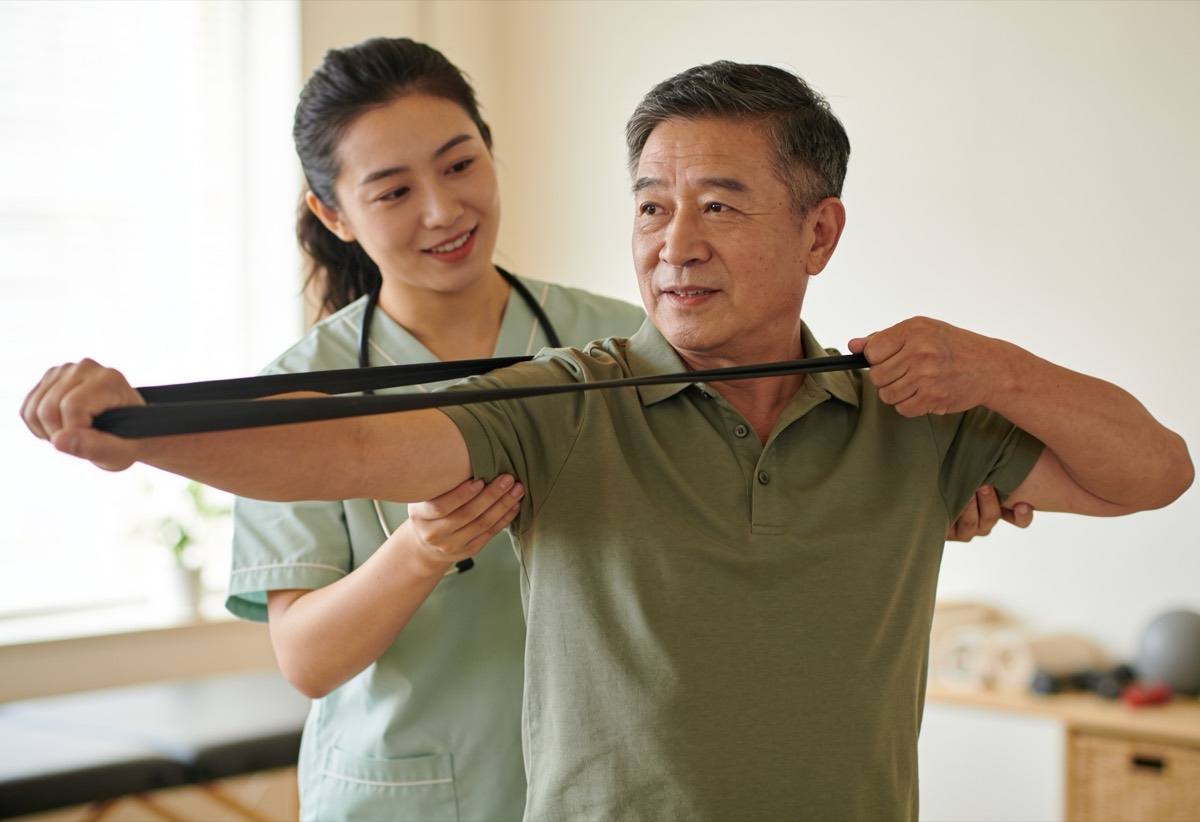
Overview
The hip joint, formed by the union of the head of the thigh bone (femur) with the socket (acetabulum) in the pelvis, is one of the largest and most load-bearing joints in our body. It takes part in many basic movements such as walking, sitting and squatting.
Hip pain is a common complaint that can arise from the joint itself, from the surrounding muscles, ligaments and tendons, or from problems referred from the lower back. Accurately identifying the true source of the pain is decisive for the success of treatment.
Causes
- Osteoarthritis — wear of the joint cartilage is a common cause of hip pain.
- Tendinitis and bursitis — inflammation of the tendons and cushions around the hip.
- Muscle imbalance — weakness or excessive tension of the muscles around the hip and pelvis.
- Pain referred from the lower back — a herniated disc or nerve compression can refer pain to the hip.
- Impingement syndrome — the joint structures rubbing against each other during certain movements.
- Overuse and postural problems — repetitive strain and poor posture.
Symptoms
- Pain in the groin, the outer side of the hip or the buttock region
- Complaints that increase when walking and climbing stairs
- Stiffness when rising after sitting for a long time
- Restriction in moving the leg outward and rotating it inward
- Night pain and difficulty lying on the affected side
- A sensation of catching or a sound with certain movements
Diagnosis
Physical examination is essential for an accurate diagnosis in hip pain. Our doctor carefully assesses the location of the pain, which movements increase it, and whether there is any referral related to the lower back. The source of the pain is distinguished with hip-specific clinical tests.
X-ray, MRI and, when required, other imaging methods provide information about the joint cartilage and soft tissues. However, imaging alone is not sufficient; it is essential to interpret the findings together with the physical examination. Because not every change detected on imaging may be the source of the pain.
Treatment
The great majority of hip pain can be managed with conservative methods, without the need for surgery. We regard surgery as a last resort. The main methods used are:
- Physical therapy — reducing pain and inflammation.
- Manual therapy and mobilization — achieving joint mobility and muscle relaxation.
- Personalized exercise — balanced strengthening of the muscles around the hip and pelvis.
- Posture and lifestyle adjustments — reviewing the habits that trigger the pain.
What We Do
When a patient comes to us with hip pain, our doctor first performs a detailed physical examination; by determining whether the pain originates from the lower back, the joint or the surrounding structures, they make the diagnosis and draw up a personalized treatment protocol. We raise surgery only in cases where it is essential.
In the phase where the pain is pronounced, our doctor supports the process with dry needling and injection applications when deemed appropriate; in suitable cases we support the immune system with ozone therapy. Our specialist physiotherapists then relax the tense muscles around the hip with mobilization, cupping therapy, Graston and clinical massage. When required, we regulate the alignment of the spine and pelvis with chiropractic applications.
Once relief is achieved, we strengthen the hip and trunk muscles with fully personalized, three-dimensional exercises, aiming for lasting recovery. The human body is three-dimensional; we apply personalized rather than standard exercise.
We finish our sessions with kinesiology taping so that the support is carried throughout the day. Throughout the process we follow our client closely and see them off with full satisfaction. Our principle: we treat the person, not just the condition.