
 TR
TR EN
EN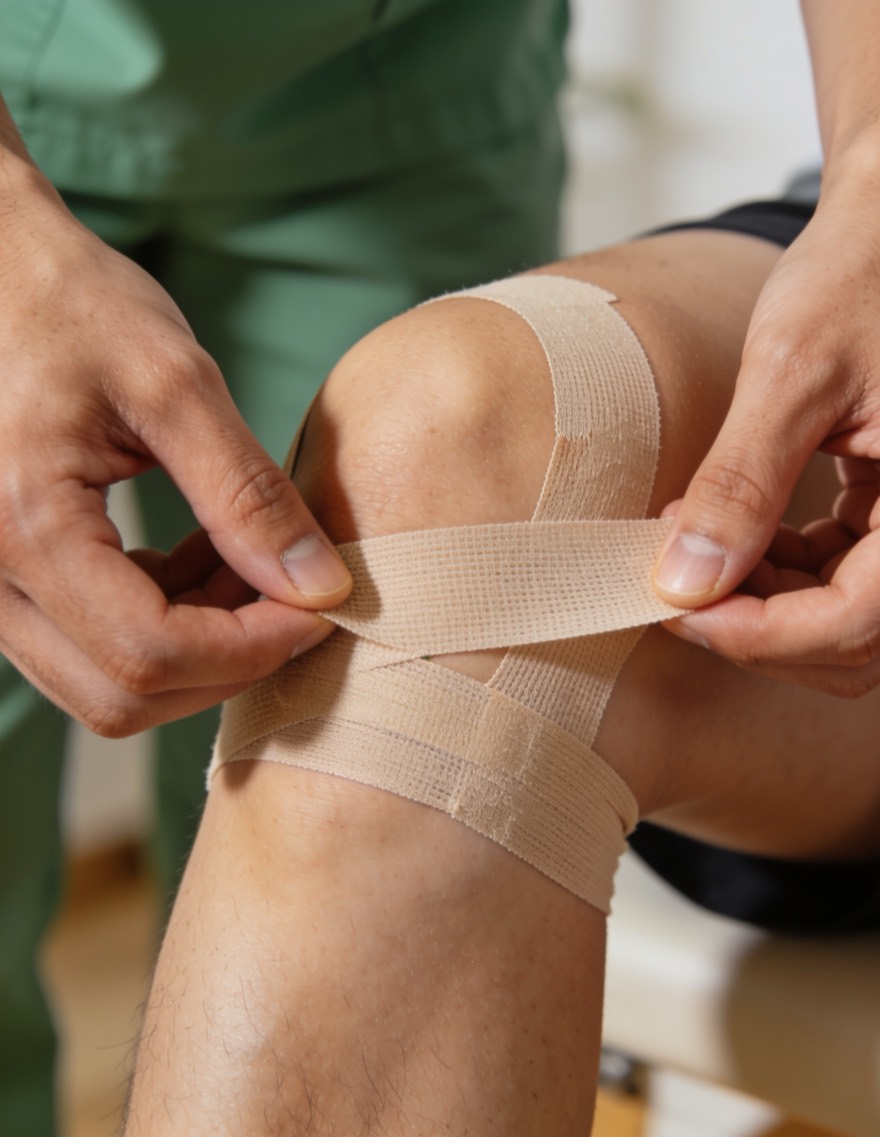
Overview
A healthy cervical spine, when viewed from the side, forms a gentle forward curve in the shape of the letter C (the cervical lordosis). This natural curve allows us to carry the weight of our head in a balanced way and cushions the load placed on the spine. Loss of the cervical curve is the reduction or complete disappearance of this natural curve.
When the curve is lost, the weight of the head bears more unevenly on the neck structures; the discs, muscles and ligaments are placed under greater strain. Over time this sets the stage for pain, stiffness and, in advanced cases, disc wear.
Causes
- Long-term forward-bent posture — keeping the neck constantly bent forward while using a phone, tablet and computer.
- An incorrect working environment — a screen not at eye level and unsuitable desk and chair heights.
- Weakness and imbalance of the neck muscles — weakening of the posterior muscle group disrupts the curve.
- Wrong pillow and sleeping position — holds the neck at an unnatural angle.
- Muscle spasm after trauma — an accident or sudden strain can cause the muscles to remain contracted.
- Sedentary lifestyle — a lack of regular movement weakens the postural muscles.
Symptoms
- A constant sensation of stiffness and tension in the neck
- Pain in the neck and shoulder region
- Headache and dizziness
- Restriction of neck movements
- Pain radiating to the upper back and between the shoulder blades
- Numbness and tingling radiating to the arm in advanced cases
Diagnosis
Physical examination is essential in assessing loss of the cervical curve. Our physician examines the posture, neck movements, muscle strength and balance. The state of the curve is most clearly revealed on a lateral X-ray; in cases deemed necessary, the discs and soft tissues are assessed with MRI.
However, an imaging finding alone is not sufficient. Even if loss of the cervical curve is detected on imaging, we always evaluate it together with the physical examination in order to understand the true source of the complaints.
Treatment
Because loss of the cervical curve is largely due to posture and muscular imbalance, it can be effectively addressed with conservative methods that do not require surgery. The main approaches are as follows:
- Posture training — establishing the correct neck position in daily life.
- Manual therapy and mobilization — relaxing tense muscles and increasing mobility.
- Chiropractic application — supporting spinal alignment in suitable cases.
- Personalized exercise — strengthening the muscles that support the cervical curve.
What We Do
When a client comes to us with loss of the cervical curve, our doctor first performs a detailed examination, assesses their posture and muscular balance, and draws up the treatment protocol. We regard surgery as a last resort and follow a holistic and personalized approach.
In cases where it is needed, our doctor may apply dry needling to tense and painful trigger points. We then refer our client to our specialist physiotherapists.
Our physiotherapists relax the tense neck and shoulder muscles with mobilization, clinical massage, cupping therapy and Graston; in suitable cases they support spinal alignment with chiropractic application. Once relief is achieved, we apply fully personalized and three-dimensional exercise programs aimed at restoring the cervical curve. Here our main goal is to make correct posture permanent; because the lasting solution to loss of the cervical curve lies in re-establishing muscular balance.
We also teach our client correct posture habits they can apply in daily life. We finish the sessions with kinesiology taping so that the effect of the support is carried throughout the day. At the end of the process we see our client off with satisfaction and continue with remote follow-up. Our principle is clear: we treat the person, not just the condition.