
 TR
TR EN
EN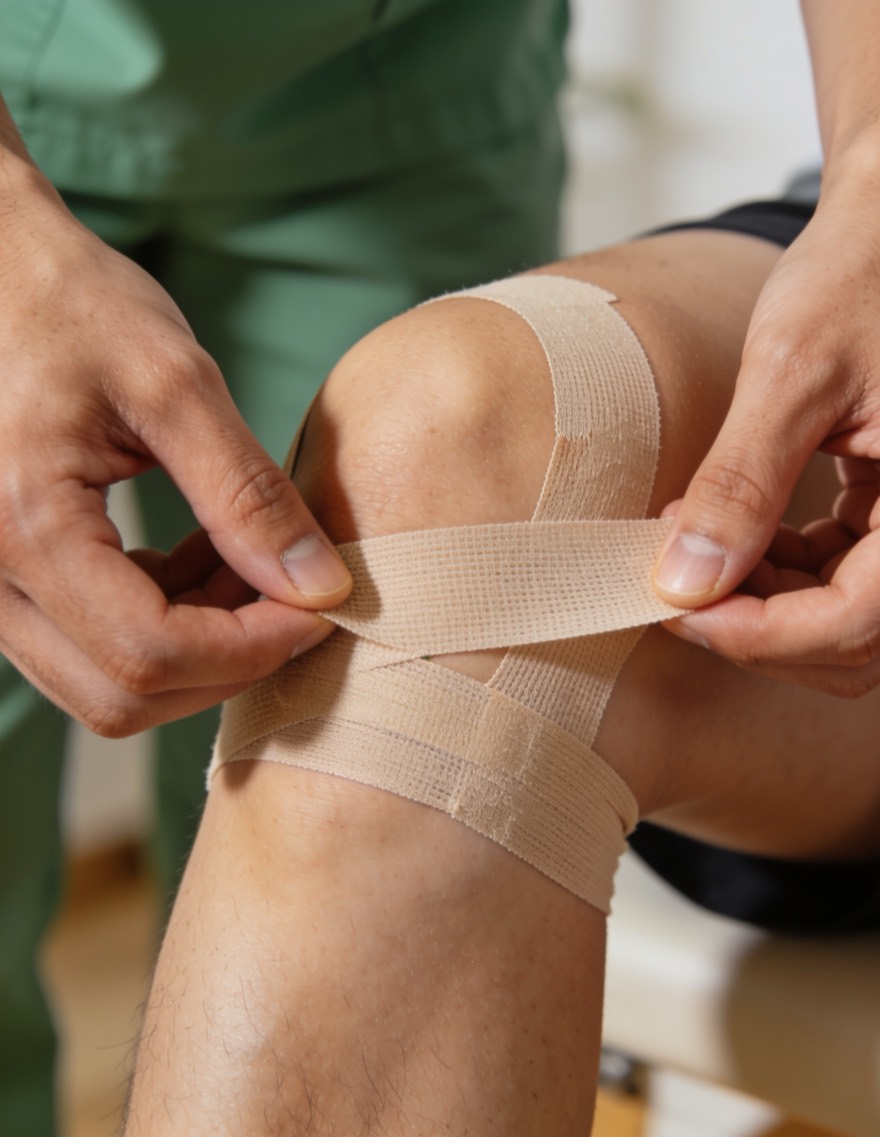
Overview
Spondylolisthesis is the slippage of one of the lumbar vertebrae forward or backward over the vertebra below it. Because of this slippage, the alignment of the spine is disrupted; the canal may narrow and the nerves may come under pressure. As a result, complaints radiating to the lower back and legs appear.
Spondylolisthesis can occur in different grades. In most cases the slippage is mild to moderate; the great majority of these cases can be brought under control by strengthening the muscles and supporting the spine, without the need for surgery.
Causes
- Structural (congenital) weakness — congenital weakness of the connecting regions of the spine.
- Age-related wear — degeneration in the discs and joints sets the stage for slippage.
- Stress fractures — micro-fractures resulting from repetitive strain, especially in athletes.
- Heavy and repetitive strain — constant lifting and movements that strain the lower back.
- Weakness of the lower back and trunk muscles — reduced spinal support makes the slippage more pronounced.
- Trauma — can result from accidents and falls.
Symptoms
- Low back pain and stiffness
- Complaints that increase with prolonged standing and walking
- Pain, numbness and tingling radiating to the hip and legs
- Tension and muscle spasm in the lower back
- Difficulty bending forward and leaning back
- Weakness in the legs in advanced cases
Diagnosis
Physical examination is essential in diagnosing spondylolisthesis. Our physician takes the patient's history and assesses their posture, muscle strength, reflexes and restriction of movement. The presence and grade of the slippage are most clearly revealed by a lateral X-ray; MRI is used for nerve compression and soft tissues.
A slippage detected on imaging may not always be the sole cause of the complaints. For this reason we always evaluate imaging findings together with the physical examination and plan treatment within this whole picture.
Treatment
The great majority of spondylolisthesis cases, especially the mild and moderate grades, can be brought under control with conservative methods, without the need for surgery. We regard surgery as a last resort only in advanced cases where neurological loss is pronounced. The main methods are as follows:
- Physical therapy — pain-reducing agents and appropriate exercises.
- Manual therapy and mobilization — relaxing tense muscles.
- Dry needling and, when required, injections — to relieve painful areas.
- Personalized strengthening — trunk exercises that provide natural corset-like support for the spine.
What We Do
When a client comes to us with spondylolisthesis, our doctor first performs a detailed examination, assesses the grade of the slippage and the neurological status, and draws up the treatment protocol. Because we regard surgery as a last resort, we first apply a holistic and personalized conservative approach.
In cases where it is needed, our doctor applies dry needling to tense and painful trigger points, and gives injections when deemed suitable. We then refer our client to our specialist physiotherapists.
Our physiotherapists relax the tense lower back muscles with mobilization, cupping therapy, clinical massage and Graston. In spondylolisthesis cases we choose our applications with great care, preferring safe techniques suited to the grade of the slippage. Once relief is achieved, our main goal is to strengthen the lower back and trunk muscles; because the most natural support to hold the slipped spine in place is a strong muscular corset.
To this end we apply fully personalized, three-dimensional exercise programs. The human body is three-dimensional; we base our work on personalized rather than standard exercise. We reinforce the sessions with kinesiology taping so that the effect of the treatment is carried throughout the day. At the end of the process we see our client off with satisfaction and continue with remote follow-up. Our principle is clear: we treat the person, not just the condition.