
 TR
TR EN
EN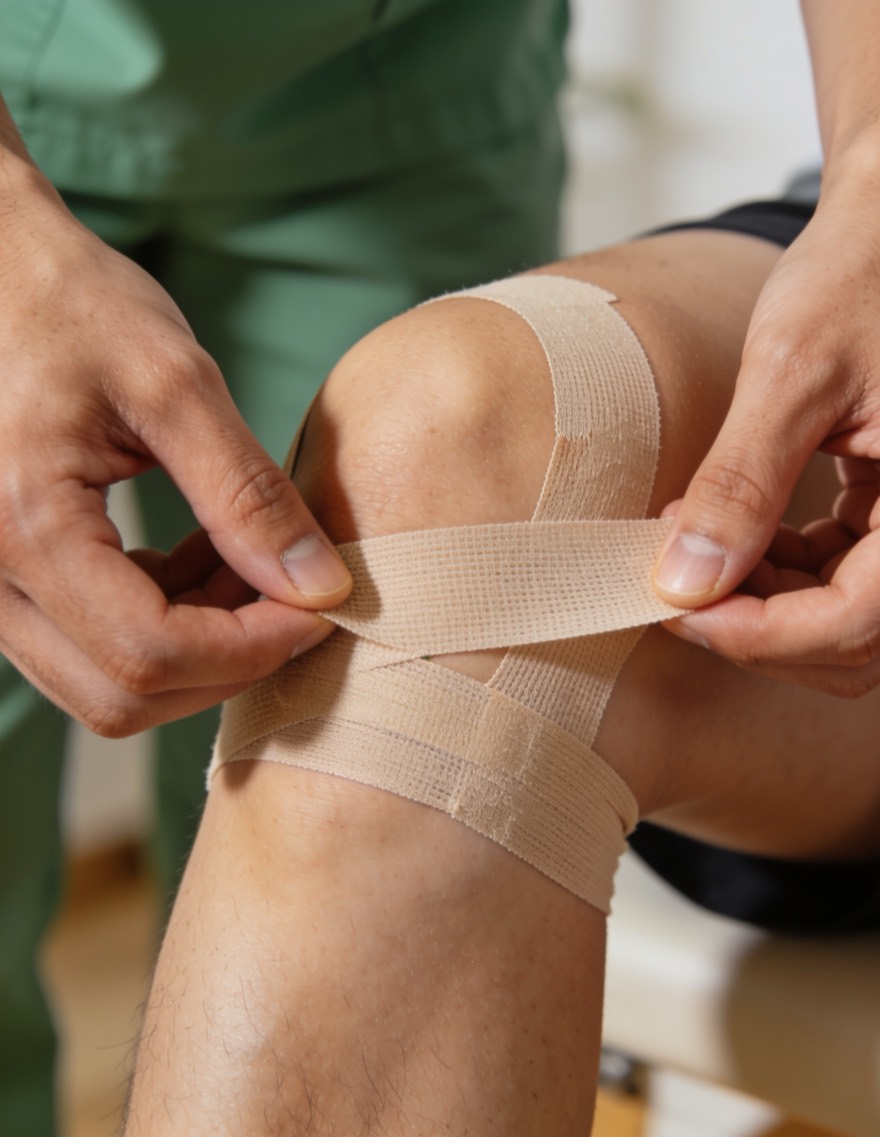
Overview
Lumbar spinal stenosis is a condition in which the spinal canal in the lower back, through which the nerves pass, narrows for various reasons. When the canal narrows, the nerves going to the legs come under pressure; this causes complaints radiating to the lower back, hip and legs.
The narrowing is most often the result of age-related wear. Thinning of the discs, bone outgrowths and thickening of the ligaments reduce the volume of the canal. The most typical feature of the complaints is that they increase with walking and ease when resting while bent forward.
Causes
- Age-related wear — disc thinning and degeneration narrow the canal.
- Bone outgrowths (osteophytes) — new bone tissue forming on the spine can grow into the canal.
- Thickening of the ligaments — the ligaments supporting the spine thickening over time.
- Disc herniation — a protruding disc can narrow the space within the canal.
- Spondylolisthesis — slippage of the vertebrae can narrow the canal.
- Weakness of the lower back and trunk muscles — increases the load on the spine and accelerates wear.
Symptoms
- Low back pain and stiffness
- Pain, numbness and tingling radiating to the hip and legs
- Leg pain that increases with walking and eases when sitting or bending forward
- Weakness in the legs and quick fatigue
- Difficulty standing for long periods
- A marked reduction in walking distance in advanced cases
Diagnosis
Physical examination is essential in assessing lumbar spinal stenosis. Our physician takes the patient's history and examines muscle strength, reflexes, the distribution of numbness and the state of walking. That the complaints increase with walking and ease with rest is an important clue. The narrowing is most clearly revealed by MRI; when required, CT and X-ray are used.
A narrowing detected on imaging may not always be the direct cause of the complaints. For this reason we always evaluate imaging findings together with the physical examination and make the treatment decision within this whole picture.
Treatment
A significant proportion of lumbar spinal stenosis cases can be relieved with conservative methods, without the need for surgery. We regard surgery as a last resort only in advanced cases where neurological loss is pronounced. The main methods are as follows:
- Physical therapy — pain-reducing agents and appropriate exercises.
- Manual therapy and mobilization — to increase mobility and relax tense muscles.
- Dry needling and, when required, injections — to relieve painful areas.
- Personalized exercise — strengthening the lower back and trunk muscles to provide natural support for the spine.
What We Do
When a client comes to us with lumbar spinal stenosis, our doctor first performs a detailed examination, assesses their neurological status and walking capacity, and draws up the treatment protocol. Because we regard surgery as a last resort, we first apply a holistic and personalized conservative approach.
In cases where it is needed, our doctor applies dry needling to tense and painful trigger points, and gives injections when deemed suitable. In suitable cases we support immunity and healing mechanisms with ozone therapy. We then refer our client to our specialist physiotherapists.
Our physiotherapists relax tense muscles with mobilization, cupping therapy, clinical massage and Graston; in suitable and carefully assessed cases they support spinal alignment with chiropractic application. Once relief is achieved, we apply fully personalized, three-dimensional exercise programs to strengthen the weak lower back and trunk muscles that are the real problem. Our aim is to give the spine strong and natural corset-like support.
We reinforce the sessions with kinesiology taping so that the effect of the treatment is carried throughout the day. At the end of the process we see our client off with satisfaction and continue with remote follow-up. Our principle is clear: we treat the person, not just the condition.