
 TR
TR EN
EN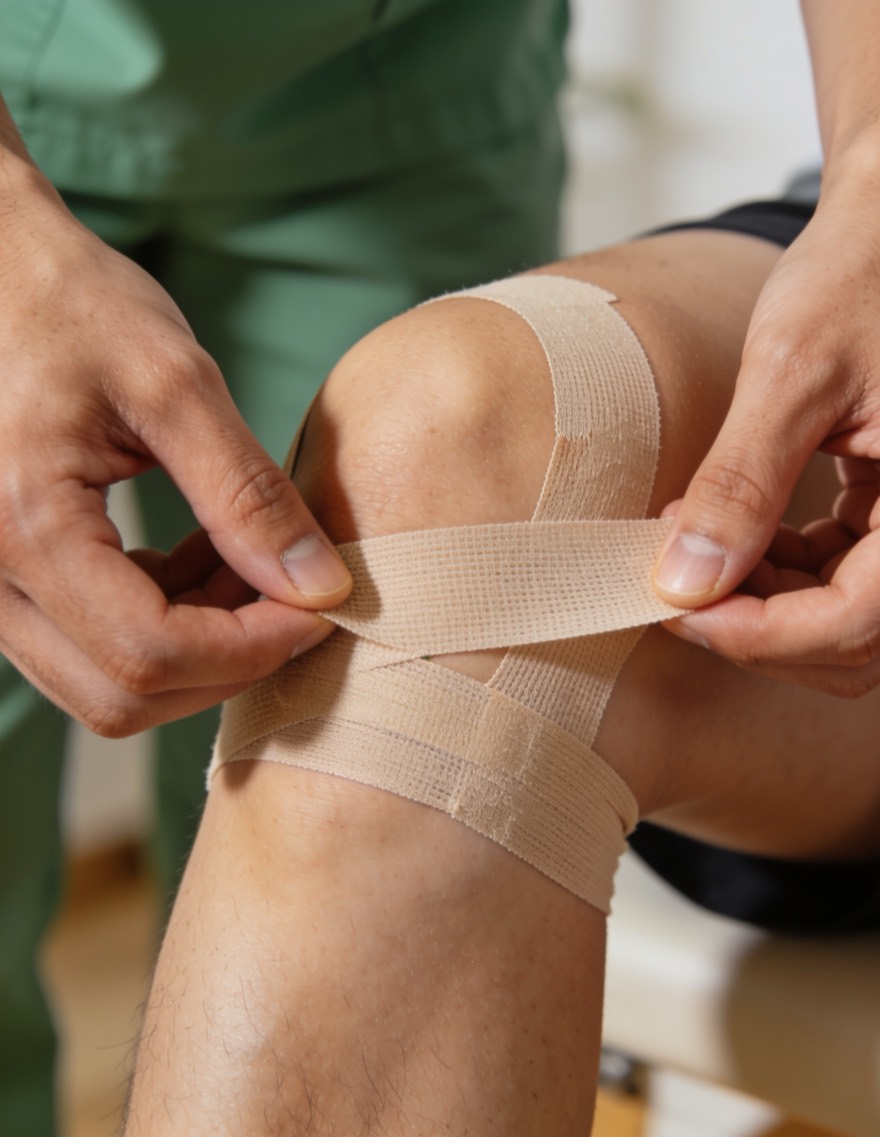
Overview
Low back pain can arise from any of the structures in the lower back — the spine, discs, muscles, ligaments and nerves — and is one of the most common complaints in the population. The lower back is the region of the spine that carries most of the body's weight and is placed under the greatest strain in daily life. For this reason, almost everyone experiences low back pain at some point in their life.
Low back pain most often arises not from a serious structural problem but from muscular imbalance, poor posture and weak trunk muscles. For this reason, accurately identifying the true underlying cause of the pain is the most important step of treatment.
Causes
- Muscle weakness and imbalance — weak lower back and trunk muscles increase the load on the spine.
- Poor posture — sitting or standing in the wrong position for long periods strains the lower back.
- Sedentary lifestyle — desk work and a lack of regular movement lead to muscle weakening.
- Heavy lifting — lifting loads in improper positions is a common cause of low back pain.
- Excess weight — increased body weight places extra load on the structures of the lower back.
- Structural problems — conditions such as a herniated disc, spinal canal stenosis and spondylolisthesis can also cause pain.
Symptoms
- Stiffness, tension and dull or sharp pain in the lower back
- Complaints that increase when bending forward, sitting down and standing up, and standing for long periods
- Pain that may radiate to the hip and leg
- A sense of stiffness that is pronounced in the mornings
- Pain that eases with movement and changes with rest, or vice versa
Diagnosis
The most important step in diagnosing low back pain is a detailed physical examination. Our physician takes the patient's history and assesses the location and distribution of the pain, muscle strength and any restriction of movement. When necessary, imaging methods such as MRI, CT and X-ray are used.
We want to emphasize that imaging results alone are often not sufficient. A finding detected on imaging may not always be the true source of the pain. For this reason, imaging findings are always evaluated together with the physical examination.
Treatment
The great majority of low back pain cases can be resolved with conservative methods, without the need for surgery. We regard surgery only as a last resort. The main methods used are as follows:
- Physical therapy — agents aimed at reducing pain and appropriate exercise programs.
- Manual therapy and chiropractic — to achieve spinal alignment and relax tense muscles.
- Dry needling and, when required, injections — to relieve painful trigger points.
- Personalized exercise — strengthening the lower back and trunk muscles to aim for lasting recovery.
What We Do
When a client comes to our clinic with low back pain, our doctor first performs a detailed physical examination, makes the diagnosis and draws up the treatment protocol. Because we regard surgery as a last resort, we adopt a holistic and personalized approach.
In cases where it is needed, our doctor applies dry needling to painful and tense trigger points, and gives injections when deemed necessary. Once relief is achieved, we refer our client to our specialist physiotherapists.
Our physiotherapists relax tense muscles with mobilization, cupping therapy, Graston and clinical massage; in suitable cases they achieve spinal alignment with chiropractic application. Once the muscles have relaxed, we apply fully personalized, three-dimensional exercise programs to strengthen the weak lower back and trunk muscles that are the real problem. The human body is three-dimensional; for this reason we base our work on personalized rather than standard exercise.
We finish the sessions with kinesiology (athletic) taping so that the effect of the treatment is carried throughout the day. At the end of the process we see our client off with satisfaction and continue with remote follow-up. Because our principle is clear: we treat the person, not just the condition.